24 Hours Emergency Service - Call Us (732) 554-7357
Is Your Sink Making Gurgling Sounds? Signs of Clogged Drains
July 31, 2026
A sink that gurgles when water drains is more than just an annoying noise. In many cases, it’s an early warning that water and air aren’t moving properly through your plumbing system. While the sound may seem harmless at first, it often signals a developing blockage or venting issue that can worsen over time. Identifying the cause early can help prevent slow drains, backups, unpleasant odors, and more serious plumbing problems later.
Although some minor drain issues can be resolved with basic maintenance, recurring gurgling usually indicates that something inside the plumbing system needs attention. Knowing what causes the noise can help you determine whether it’s a simple clog or a sign of a larger drainage problem.
Why Does a Sink Make Gurgling Sounds?
Your plumbing system is designed to move both water and air through the drain pipes. When a blockage begins to form, trapped air is forced back through the drain, creating the bubbling or gurgling sound you hear.
Common causes include:
- Partial Drain Clogs: Grease, soap residue, hair, or food debris restrict water flow.
- Blocked Vent Pipes: Plumbing vents that become blocked can prevent proper airflow.
- Garbage Disposal Buildup: Food waste in the garbage disposal or drain can cause obstructions.
- Main Sewer Line Problems: Larger blockages may affect multiple drains throughout the home.
- Improper Drain Slope: Older plumbing systems may not drain efficiently.
Signs Your Drain May Be Clogged
Gurgling is rarely the only symptom of a developing drain problem. As the blockage grows, water flow becomes more restricted, and additional warning signs often begin to appear throughout the affected plumbing fixture. If the same drain continues to clog, there may be a larger issue behind why your drain is always clogged.
Common signs include:
- Slow Drainage: Water takes longer to empty.
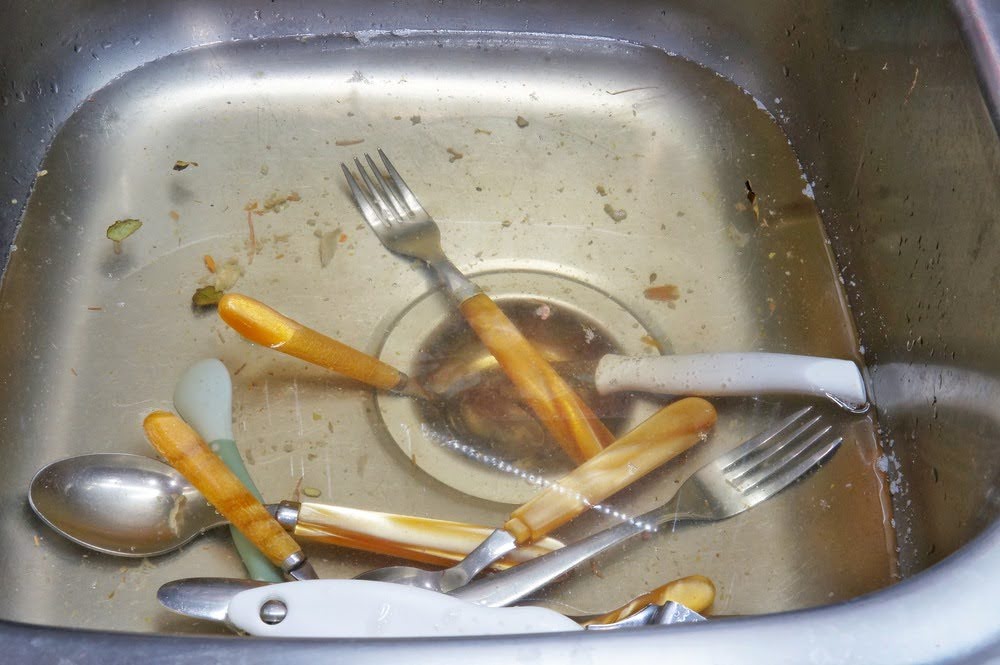
- Standing Water: Water remains in the sink after use.
- Recurring Clogs: The same drain repeatedly backs up.
- Bad Odors: Food debris or waste begins producing unpleasant smells.
- Multiple Slow Fixtures: More than one sink or drain develops drainage problems.
- Water Backups: Water rises into nearby fixtures while another drain is being used.
Kitchen Sink vs. Bathroom Sink Gurgling
Although the sound is similar, the underlying cause often depends on where it occurs. Kitchen and bathroom drains handle different types of waste, so the materials responsible for a clog can vary. Identifying which sink is gurgling can help narrow down the source of the problem.
Kitchen Sink
Your kitchen plumbing handles food waste, grease, and cooking residue every day, making drain buildup more likely over time. As these materials accumulate, they can restrict water flow and eventually lead to recurring clogs and drainage problems.
Kitchen drains commonly clog because of:
- Grease and Oil: Harden inside drain pipes.
- Food Scraps: Build up over time.
- Coffee Grounds: Form dense blockages.
- Garbage Disposal Waste: Improper use creates recurring clogs.
Even small changes in your daily habits can make a big difference. Knowing what goes down your drain can help reduce buildup and prevent recurring kitchen sink clogs.
Bathroom Sink
Problems within bathroom plumbing often begin with hair, soap residue, and personal care products that gradually restrict water flow. Even small amounts of buildup can eventually create a clog that causes slow drainage and gurgling sounds.
Bathroom drains are more likely to clog because of:
- Hair Buildup: One of the most common causes.
- Soap Scum: Gradually narrows the drain.
- Toothpaste Residue: Contributes to buildup.
- Personal Care Products: Cosmetic residue can collect inside pipes.
When Gurgling Means a Bigger Plumbing Problem
Sometimes the clog isn’t located beneath the sink. Gurgling throughout multiple fixtures may indicate a blockage deeper within your plumbing or sewer system. When several drains begin showing symptoms at the same time, the problem often extends beyond a single drain line.
Warning signs include:
- Several Gurgling Drains: Multiple sinks, tubs, or showers making noise.
- Toilet Bubbling: Air escaping through the toilet while another fixture drains.
- Frequent Sewer Odors: Persistent smells around drains.
- Repeated Backups: Drain problems continue after temporary fixes.
These symptoms often require professional inspection to locate the source of the blockage, especially when multiple fixtures and faucets throughout the home are affected.
Why Chemical Drain Cleaners Aren’t Always the Answer
Chemical drain cleaners may seem like a quick fix, but they rarely remove the entire blockage. In many cases, they only create a temporary opening while leaving buildup behind, and repeated use can damage older plumbing over time.
Potential drawbacks include:
- Pipe Damage: Corrosive chemicals can weaken plumbing materials.
- Temporary Results: Small openings often clog again.
- Safety Concerns: Chemical residue creates hazards during repairs.
- Environmental Impact: Harsh chemicals enter wastewater systems.
Mechanical cleaning methods are often more effective for stubborn drain clogs.
When Professional Drain Cleaning Is Needed
If your sink continues to gurgle after basic maintenance, drain cleaning may be needed to remove buildup extending farther into the plumbing system.
Professional drain cleaning can remove:
- Grease Buildup
- Soap Scum
- Hair Accumulation
- Food Debris
- Mineral Deposits
- Tree Root Intrusion
For severe buildup, hydro jetting may be recommended to thoroughly clean pipe walls and restore normal water flow.
Tips to Help Prevent Future Drain Clogs
Preventing drain clogs is often much easier than dealing with a complete blockage. Simple everyday habits can help keep water flowing properly, reduce buildup inside your pipes, and lower the risk of recurring plumbing problems. A little preventive maintenance can also help extend the life of your plumbing system.
A few helpful habits include:
- Avoid Pouring Grease Down Drains: Dispose of cooking grease in a container instead of rinsing it into the sink.
- Use Drain Strainers: Catch hair, food scraps, and other debris before they enter the drain.
- Run Water After Using the Garbage Disposal: Flush remaining food particles through the drain line.
- Dispose of Food Waste Properly: Avoid putting coffee grounds, eggshells, pasta, and similar items down the sink.
- Clean Drains Periodically: Remove minor buildup before it develops into a blockage.
- Schedule Preventive Maintenance When Needed: Routine drain inspections and cleaning can help identify developing problems early.
Contact Us for Professional Drain Cleaning
If your sink is making gurgling sounds, don’t wait for a complete blockage to develop. All Clear Drain Cleaning provides dependable solutions for clogged drains, slow drainage, and more serious plumbing problems.
Whether the issue is isolated to one fixture or affects your entire plumbing system, professional diagnosis can help restore proper drainage before the problem becomes more costly. Contact us today to schedule a drain inspection and restore proper flow to your plumbing system.
« Return to Blog